
Philadelphia Tenant Lock Laws: Can Your Landlord Change the Locks?
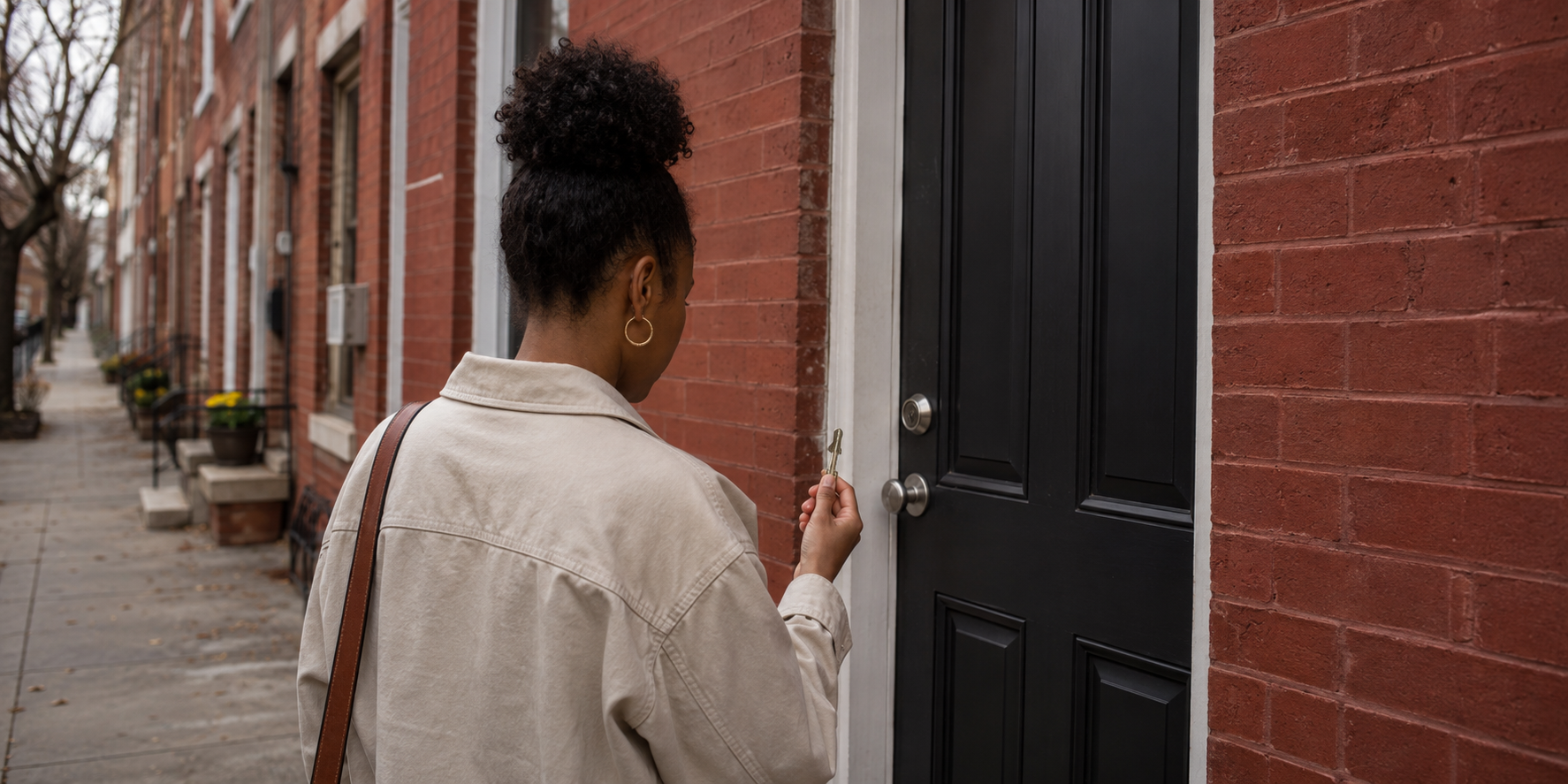
Imagine coming home to your Philadelphia apartment and finding that your key no longer works. The locks have been changed, and your landlord hasn't said a word. Is this legal? What are your rights? And what can you do right now?
Philadelphia tenants are protected by two layers of law: the Pennsylvania Landlord and Tenant Act at the state level, and the Philadelphia Property Code at the city level. Together, these laws give you clear rights around locks, whether your landlord is threatening to change them, or you want to change them yourself.
This guide explains exactly what both laws say, what is and isn't allowed, and what steps to take if your rights have been violated.
Pennsylvania State Law: What the Landlord and Tenant Act Says About Locks
At the state level, tenant lock rights in Pennsylvania are governed primarily by the Pennsylvania Landlord and Tenant Act of 1951 (68 P.S. § 250.101 to 250.602). This is the foundational law covering all residential rental properties across the state, including every neighbourhood in Philadelphia.
The Right to Peaceful Possession
Under Pennsylvania law, once a tenant signs a lease and takes possession of a property, they have a legal right to quiet enjoyment, the uninterrupted right to live in and use their rented home. This right is implied in every residential lease, whether written or verbal.
Changing a tenant's locks without their consent and without a court order directly violates this right.
Self-Help Eviction Is Illegal in Pennsylvania
One of the most important protections Pennsylvania law provides is the prohibition of self-help eviction. Self-help eviction is when a landlord tries to force a tenant out by taking extrajudicial actions rather than going through the formal court process. Common self-help eviction tactics include:
- Changing or removing locks
- Removing the tenant's belongings
- Shutting off utilities (heat, water, electricity)
- Removing doors or windows
- Making the property uninhabitable
All of these are illegal under Pennsylvania law regardless of whether rent is overdue, the lease has expired, or the landlord has issued a 30-day notice.
Under 68 P.S. § 250.501, before a landlord can legally remove a tenant from a property in Pennsylvania, they must:
- Give any notice required for the case. Notice periods depend on the reason, lease and applicable rules; check the court's current landlord-tenant guide.
- File in the appropriate court. Philadelphia landlord-tenant cases are heard in Philadelphia Municipal Court.
- Attend a hearing and receive a court judgment
- Wait out any appeal period
- Obtain a Writ of Possession from the court
- Have the writ executed by a constable or sheriff. Landlords cannot change the locks themselves
Until every one of these steps is completed, a landlord has zero legal right to change your locks in Pennsylvania.
What Happens If a Pennsylvania Landlord Illegally Changes Locks?
If a landlord carries out an illegal lockout in Pennsylvania, the tenant has legal remedies including:
- Asking a housing attorney which court and form of relief are appropriate for the situation
- Suing the landlord for actual damages (cost of alternative housing, storage, lost property)
- Claiming consequential damages in some cases
- Potential recovery of attorney's fees
Courts in Pennsylvania take illegal lockouts seriously. Judges typically order immediate re-entry for tenants who can demonstrate they had a valid right to occupancy.
Philadelphia City Law: Additional Tenant Protections
Philadelphia goes further than state law with its own set of local ordinances specifically designed to protect Philadelphia renters. As a tenant in the City of Philadelphia, you benefit from both Pennsylvania state law and Philadelphia city code.
Philadelphia Property Maintenance Code: Lock Requirements
The Philadelphia Property Maintenance Code, PM-304.15 and PM-304.18, addresses door hardware and building security. Its requirements include:
- Entrance locks that secure dwelling and sleeping units
- Deadbolts on rented dwelling-unit access doors, with an inside release that does not require a key
- Locking devices on specified accessible, operable windows
If your landlord is failing to maintain your locks, leaving you with a broken lock or a door that won't secure properly, you can report this to the Philadelphia Department of Licenses and Inspections (L&I) at 215-686-2463 or through the Philly311 app.
Philadelphia Rental License Requirement
Under Philadelphia Code § 9-3902, every landlord in Philadelphia is legally required to hold a valid Rental License before renting any property. This license can be checked at the City of Philadelphia's online portal.
A landlord who conducts an illegal lockout risks not only civil liability but also losing their rental license, which means they cannot legally rent any property in Philadelphia.
Philadelphia Eviction Diversion Program
Philadelphia has one of the strongest Eviction Diversion Programs in the country, established under City Council Bill 200818. Before a landlord can file for eviction in Philadelphia Municipal Court, they are now generally required to attempt mediation through this program first.
This additional step gives tenants more time and more opportunity to resolve disputes, including disputes about rent arrears that a landlord might use to justify a lock change.
Philadelphia Municipal Court: Landlord-Tenant Division
Get legal advice promptly about the appropriate court and remedy for a disputed lockout. The Philadelphia Municipal Court guide lists its First Filing Unit at 1339 Chestnut Street, 10th floor. Confirm current filing instructions before visiting. Keep:
- Your lease agreement
- Proof of identity
- Proof of payment (rent receipts or bank statements)
- Photos or documentation of the illegal lockout
Can a Landlord Ever Legally Change Locks on a Tenant?
The honest answer is: yes, but only in very specific, limited circumstances.
| Situation | Legal? | Explanation |
|---|---|---|
| Landlord wants tenant out (non-payment) | No | Must go through full eviction process |
| Lease expired and tenant hasn't moved | No | Must follow the court eviction process |
| 30-day notice has passed | No | Notice alone doesn't give right to change locks |
| Court eviction order obtained, writ executed | Yes | Only after constable/sheriff executes writ |
| Between tenants with unit fully vacant | Yes | Legal and strongly recommended |
| Emergency security issue (with tenant consent) | Yes | Must provide new key immediately |
| Lock malfunction requiring replacement | Yes | Must notify tenant and provide new key immediately |
The key rule: Unless a court-issued Writ of Possession has been executed by a constable, a Pennsylvania landlord cannot change the locks on an occupied rental unit.
Can a Tenant Change Their Own Locks in Philadelphia?
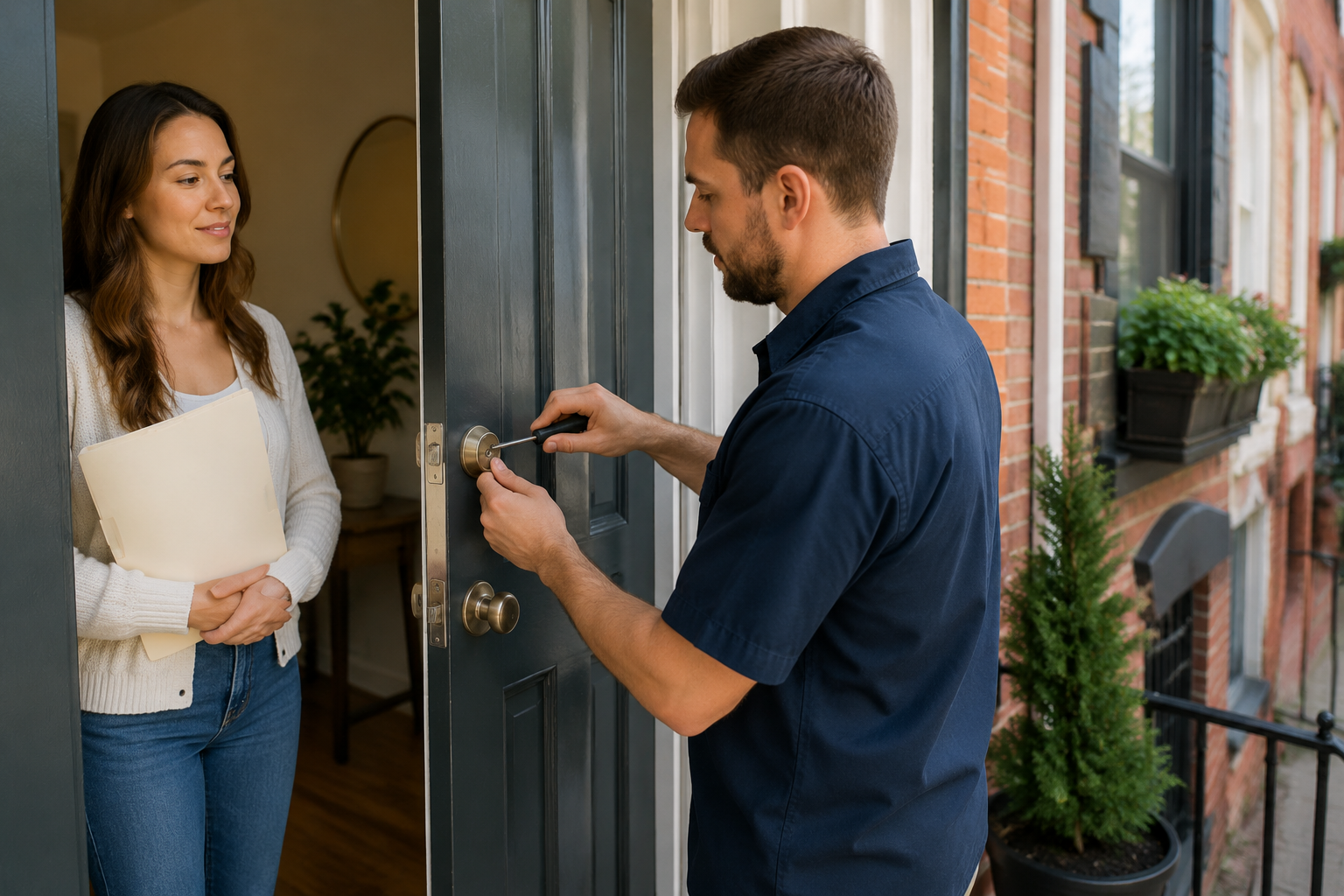
Many Philadelphia tenants want to change their locks for legitimate security reasons, especially after moving in, after a relationship ends, or after a break-in. Here is what you need to know:
Pennsylvania state law does not explicitly prohibit tenants from changing locks, but your lease agreement may contain specific clauses about this. Here is how to handle it correctly:
How to change your locks the right way
- Read your lease carefully. Look for clauses about alterations or lock changes.
- Get written approval if required. If your lease requires landlord approval, submit a written request. Most reasonable landlords will agree, especially for genuine security reasons.
- Consider rekeying rather than replacing your locks. Rekeying changes the internal pins so the old key no longer works, but the lock hardware stays the same. This avoids disputes about altering the property and typically costs less.
- Provide a key copy. If you change or rekey your locks, you may be legally required to provide your landlord with a copy of the new key. Check your lease and local ordinances.
- Restore locks at move-out. When you move out, restore the original lock or provide both old and new keys.
Philadelphia Tip: If you are changing locks because of a domestic violence situation, you may have additional protections. Talk to a legal aid office or call the Philadelphia Domestic Violence Hotline before you act: 1-866-723-3014.
What to Do If Your Landlord Illegally Changed Your Locks in Philadelphia
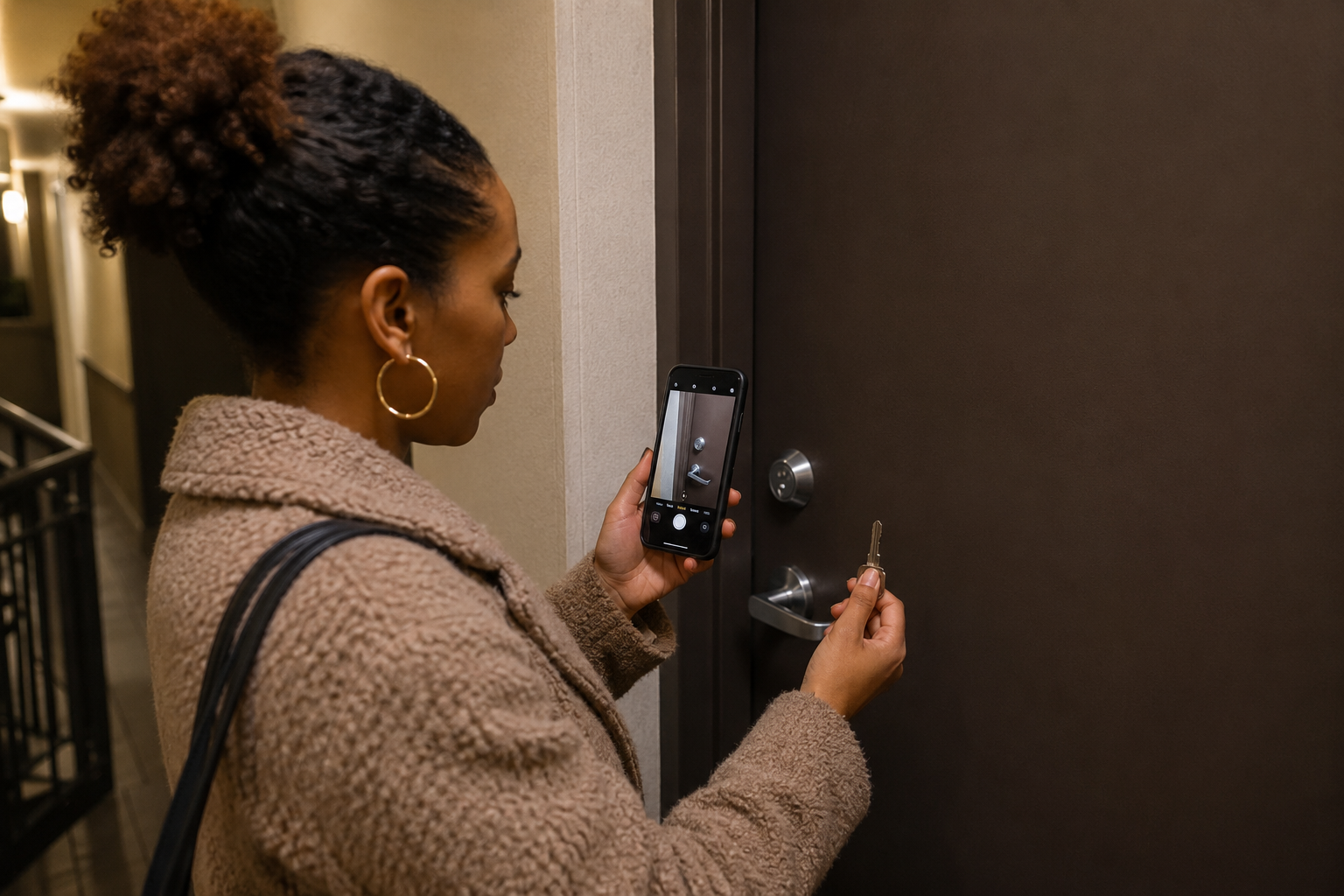
If you come home and find yourself locked out because your landlord changed your locks without a court order, follow these steps:
Immediate steps (tonight)
- Document everything. Take photos and video of the changed lock, any notices on your door, and the date and time. This is critical evidence.
- Contact your landlord in writing. Send a text message or email stating that the lock change is an illegal lockout and demanding immediate re-entry. Keep all communication in writing.
- Call Philadelphia police if necessary. Illegal lockouts can be treated as a criminal matter in some circumstances. Philadelphia police may be able to accompany you to regain entry or document the situation.
- Call an emergency locksmith. Follow the City's lockout guidance and obtain legal advice about a disputed tenancy before arranging work. A locksmith must confirm authorization and the circumstances; identification alone does not resolve a tenancy dispute. Lockman, 24/7 Emergency Locksmith Philadelphia: (215) 858-5626
Legal steps (next 24 to 72 hours)
- Contact Community Legal Services. CLS Philadelphia (clsphila.org) provides free legal assistance to low-income Philadelphia tenants. Call 215-981-3700.
- Ask about court relief. A housing attorney can help identify the appropriate court and remedy. Check the court's current filing instructions and keep your lease, ID and documentation.
- File a complaint with the Philadelphia Tenants Union. The Philadelphia Tenants Union can provide advocacy support and connect you with resources.
Moving Into a New Philadelphia Rental: Lock Checklist
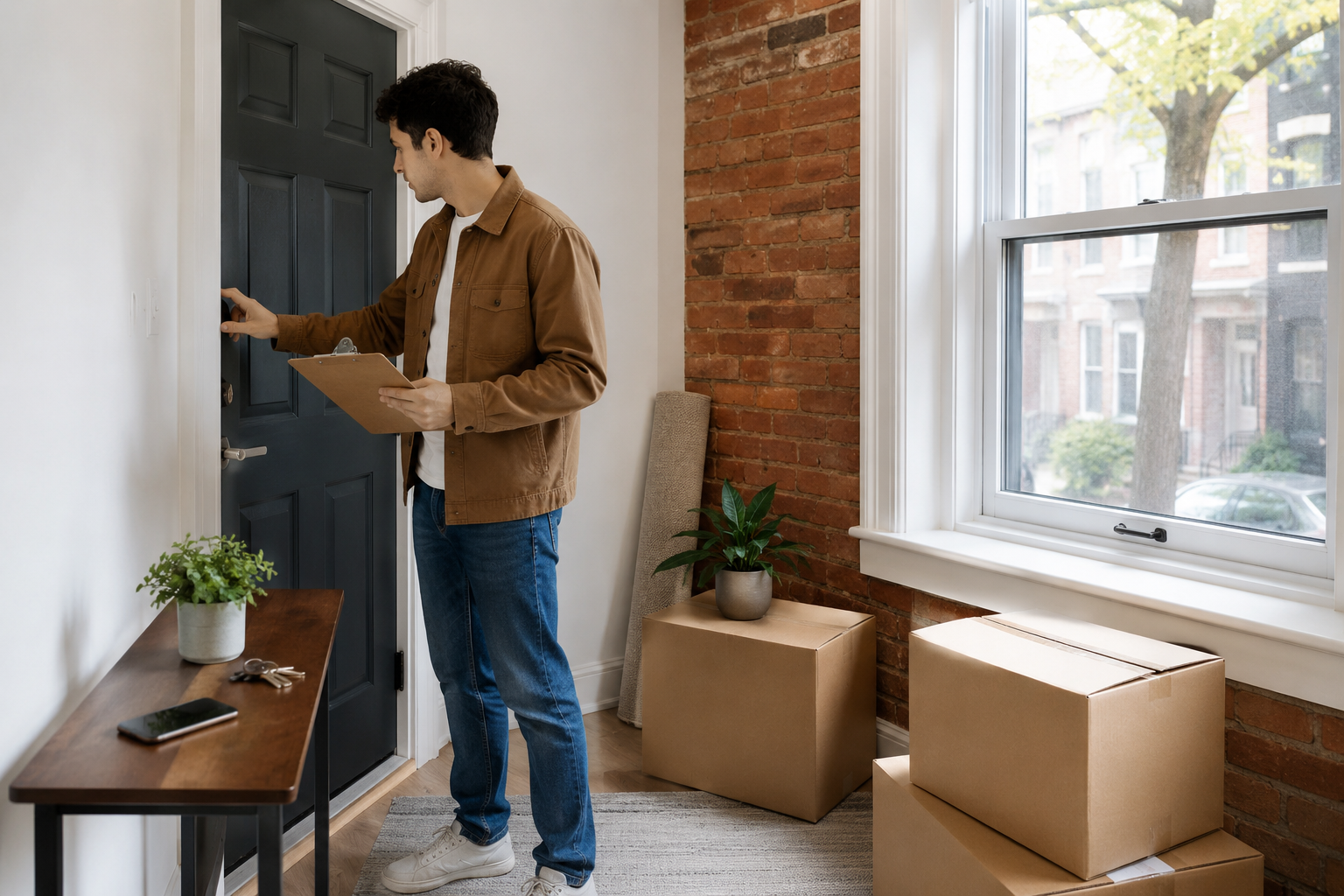
Every new Philadelphia tenant should complete this checklist on or before move-in day:
- Request confirmation that all previous tenant keys have been collected or returned
- Inspect all locks: test every exterior door, window, and shared entry
- Photograph the condition of every lock at move-in (date-stamped photos)
- Ask your landlord to rekey; many Philadelphia landlords will do this at no charge between tenancies
- If landlord won't rekey, arrange for a professional locksmith to rekey at your own expense (typically $25 to $75 per lock)
- Ask a qualified professional to assess the door, locking hardware and applicable safety requirements
- Document everything in writing: email your landlord any concerns about lock condition at move-in
Rekeying vs. replacing: Rekeying is almost always the better option for renters. It costs less, causes no damage to the door or frame, and avoids any lease disputes about property alterations. A professional locksmith can rekey your Philadelphia apartment lock in under 20 minutes.
Philadelphia Tenant Lock Law Resources
| Resource | Phone | Website |
|---|---|---|
| Community Legal Services Philadelphia | 215-981-3700 | clsphila.org |
| Philadelphia Legal Assistance | 215-981-3800 | philalegal.org |
| Philadelphia Tenants Union | N/A | phillytenants.org |
| Philadelphia Municipal Court (Landlord-Tenant) | 215-686-7977 | courts.phila.gov |
| Philadelphia L&I (Code Violations) | 215-686-2463 | phila.gov/li |
| Pennsylvania Legal Aid Network | N/A | palegalaid.net |
| Philadelphia Domestic Violence Hotline | 1-866-723-3014 | N/A |
| Lockman, 24/7 Emergency Locksmith | (215) 858-5626 | locallockman.com |
Frequently Asked Questions
Can a landlord change the locks on a tenant in Philadelphia?
No. Under Pennsylvania law (68 P.S. § 250.502) and Philadelphia city code, a landlord cannot change the locks on an occupied rental unit without a court order and writ of possession executed by a constable. Doing so is an illegal lockout and the tenant has the right to sue for damages and immediate re-entry.
Can a landlord change locks without a court order in Pennsylvania?
A landlord must not use a lock change to force a tenant out as a substitute for the legal eviction process. Philadelphia cases are handled in Municipal Court. Consult the court's guide and a housing attorney about the process and deadlines for your case.
Can a landlord change locks before eviction in Philadelphia?
No. In Philadelphia, a landlord must complete both the Pennsylvania eviction process AND comply with the Philadelphia Eviction Diversion Program before any lockout is lawful. Changing locks before a court has ruled is always illegal, regardless of whether rent is unpaid or the lease has expired.
Can a landlord change locks for non-payment of rent in Philadelphia?
No. Non-payment of rent gives a landlord the right to begin the eviction process, not to change the locks. The landlord must still file in court and obtain a writ of possession. A Philadelphia landlord who changes locks for non-payment of rent is committing an illegal lockout.
Can a landlord change locks after a 30-day notice in Philadelphia?
No. A 30-day notice to vacate is merely the first step in the eviction process. Issuing a notice does not give the landlord the right to change locks. Even after a 30-day notice period expires, the landlord must still file in court if the tenant has not left.
Can a tenant change their own locks in Philadelphia without landlord permission?
Pennsylvania law does not explicitly prohibit tenants from changing locks, but your lease agreement may require landlord approval. Review your lease carefully and consider rekeying rather than replacing, which is less likely to violate lease terms. If you change locks, you may be required to provide the landlord a copy of the new key.
What should I do if my landlord illegally changed my locks?
Keep proof of residence and a dated record of the lock change. Follow the City's guidance on illegal lockouts and contact a housing attorney promptly about your options. Before arranging locksmith work, confirm identity, authorization and any relevant court orders.
What is an illegal lockout in Pennsylvania?
An illegal lockout occurs when a landlord uses self-help tactics, such as changing locks, removing belongings, or cutting off utilities, to force a tenant to leave without going through the formal court eviction process. In Pennsylvania, illegal lockouts expose landlords to civil liability including damages, attorney fees, and potentially criminal charges.
Can a renter change the locks without telling their landlord?
In most cases this is technically allowed under Pennsylvania law, but most leases require landlord notification or approval. Always check your lease first. If your lease prohibits unauthorised lock changes, inform your landlord in writing before making any changes. Rekeying (rather than replacing) is the safest option for tenants.
Do Philadelphia landlords have to provide working locks?
Philadelphia's PM-304.15 and PM-304.18 set requirements for entrance locks and building security, including deadbolts on rented dwelling-unit access doors and locks on specified windows. Ask L&I about a suspected code violation through Philly311.
Need a Locksmith in Philadelphia?
Whether you are dealing with an illegal lockout, moving into a new rental, or simply want to upgrade your home's security, Lockman is Philadelphia's trusted 24/7 local locksmith.
We help Philadelphia tenants with:
- Emergency lockout assistance, 24/7, flat-rate pricing
- Professional lock rekeying, from $25 per lock
- Lock installation and upgrades for rental properties
- Smart lock installation within lease terms
- Broken key extraction
- Security consultations for new renters